

Empowering Farmers with Classic Basket Models in Farmers Supply Chains

Farmers play a crucial role in the global fresh produce market. Their success depends heavily on efficient supply chains that connect them to wholesalers and retailers. I have observed that classic basket models can significantly empower farmers by improving how their products reach the market. These models help streamline operations, reduce waste, and ensure fair pricing. In this post, I will explore how classic basket models impact farmers supply chains and offer practical insights for wholesalers and retailers.
Understanding Farmers Supply Chains and Their Challenges
Farmers supply chains involve multiple steps from production to the final sale. These steps include harvesting, packaging, transportation, storage, and distribution. Each stage presents challenges that can affect the quality and availability of fresh produce.
Common issues include:
Lack of proper packaging: This leads to damage and spoilage.
Inefficient transportation: Delays and poor handling reduce freshness.
Unfair pricing: Farmers often receive less than the market value.
Limited market access: Small-scale farmers struggle to reach large buyers.
Addressing these challenges requires a system that supports farmers at every stage. Classic basket models offer a practical solution by providing standardized, reusable containers that protect produce and simplify logistics.
How Classic Basket Models Improve Farmers Supply Chains
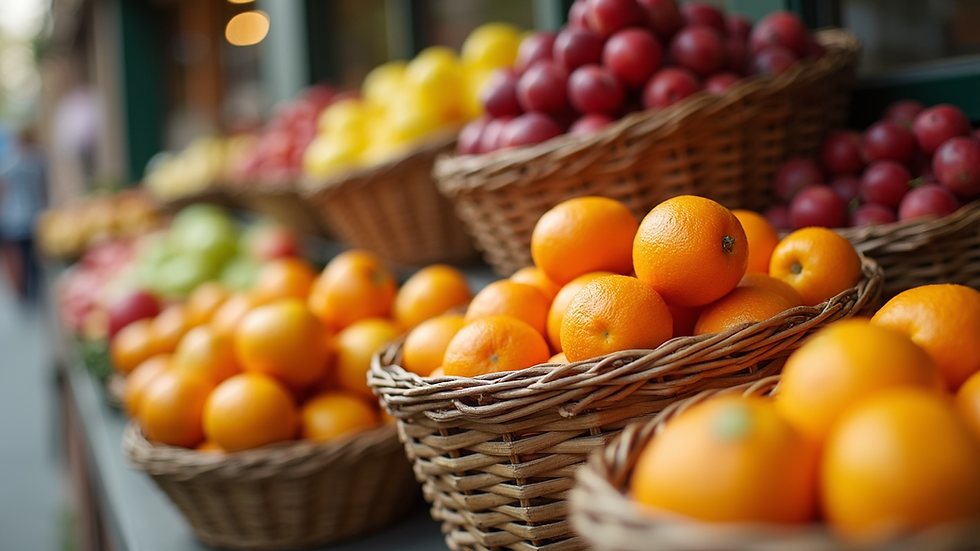
Classic basket models are designed to be durable, stackable, and easy to handle. They replace traditional packaging like sacks or loose crates, which often cause damage and waste. Here’s how these baskets empower farmers:
Protection of produce: The baskets reduce bruising and spoilage during transport.
Standardization: Uniform sizes make stacking and storage more efficient.
Reusability: Baskets can be used multiple times, lowering packaging costs.
Traceability: Labels and barcodes on baskets help track produce from farm to retailer.
By adopting these baskets, farmers can deliver higher quality products consistently. This reliability builds trust with wholesalers and retailers, leading to better prices and stable demand.
Practical Steps to Implement Classic Basket Models
Implementing classic basket models in farmers supply chains requires coordination and investment. Here are actionable recommendations:
Assess current packaging methods: Identify weaknesses and losses caused by existing containers.
Select appropriate basket types: Choose baskets that suit the type of produce and transportation methods.
Train farmers and handlers: Educate on proper packing, stacking, and handling techniques.
Establish collection points: Centralize produce collection to facilitate basket reuse and reduce transport costs.
Collaborate with retailers: Work with buyers to ensure baskets meet their requirements and encourage return for reuse.
These steps help create a sustainable system that benefits all parties. Farmers gain better protection and market access, while wholesalers and retailers receive fresher, higher-quality produce.
The Role of Technology in Enhancing Basket Model Efficiency
Technology can further enhance the benefits of classic basket models. For example:
RFID tags and barcodes: Enable real-time tracking of produce batches.
Mobile apps: Allow farmers to schedule pickups and monitor basket returns.
Data analytics: Help identify supply chain bottlenecks and optimize routes.
Integrating technology with classic basket models creates transparency and accountability. This reduces losses and improves supply chain efficiency, which is essential for meeting the growing demand for fresh produce in regional markets like Singapore and beyond.

Supporting Fair and Efficient Supply Chains with Classic Basket Models
At 3YY Fresh, our goal is to build a fair and efficient supply chain that empowers farmers and ensures high-quality, safe produce reaches consumers. Classic basket models align perfectly with this vision. They help:
Reduce waste: Less damaged produce means more sales and less environmental impact.
Improve farmer income: Better product quality and market access lead to fairer prices.
Enhance consumer trust: Consistent quality and traceability increase confidence in fresh produce.
Strengthen regional trade: Efficient supply chains support imports from China to Singapore and neighboring countries.
For wholesalers and retailers looking to optimize their supply chains, adopting a classi basket for retailers can be a game-changer. It simplifies logistics and supports sustainable sourcing practices.
Moving Forward with Classic Basket Models
The future of fresh produce supply chains depends on innovation and collaboration. Classic basket models offer a practical, proven approach to empower farmers and improve supply chain performance. By investing in these models and integrating technology, stakeholders can create a system that benefits everyone involved.
I encourage wholesalers and retailers to explore how classic basket models can fit into their operations. Supporting farmers with better packaging and logistics is not just good business - it is essential for building a resilient and sustainable fresh produce market.
Together, we can transform farmers supply chains and ensure fresh, safe produce reaches consumers efficiently and fairly.


Comments